
D-Commerce: Preparing for Verona
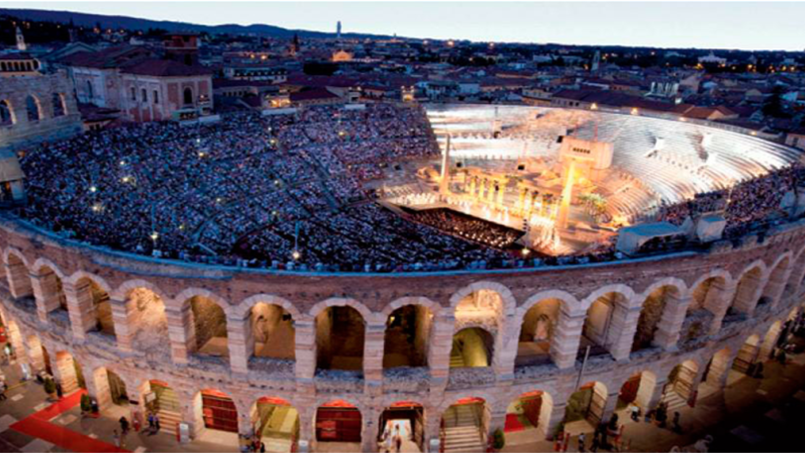
In preparation for foreign guests, Verona made a few changes to their traffic and parking laws. These changes came into effect in January 2026 and will remain in place after the Olympics.
The two big changes are aligned with the European Union’s vision for sustainable cities – sometimes called pedestrian cities.
Change 1: ZTL (Pedestrian Only Zones). The city broadened the areas where residential and guest vehicles are forbidden AND improved enforcement with automated video technology.
Key message: Don’t try to sneak your car into the city center, we will catch you.
Change 2: Residential Parking Zones. The city also redefined how residents can register for on-street parking and the rates they must pay, in various zones across the city, to park along roadsides.
Key message: If you want to have a car parked on the street, you will pay extra.

What are the Retail Implications for Verona, Italy, & Europe in 2027+?
Verona is part of the broader Veneto region of Italy and the statistics on vehicle registrations are clear. We are seeing a general trend, particularly among young families, of reduced car ownership.
The implications on retail are profound and will be felt gradually, rather than suddenly.
Implication one: Promotions. Suppliers who love to do ‘bulky’ or multi-buy promotions may struggle to engage consumers who need to make the decision, “How much can I carry?”
Implication two: Real Estate. Retailers looking to engage consumers on a Saturday might be better off having a flagship location in the city center to prompt a reminder to make a digital purchase when back at home – or even better – right then on the smartphone.
Implication three: Big Hauls. Consumers that need to plan ahead on what vehicle to drive, where to park, how long to park will be much more intentional about where they shop, how much time they spend shopping, and how to unload their purchases. The result is there will be fewer, but more intentional, big haul occasions over time.

Forecasting D-Commerce in Europe, 2027
The research team at Retail Cities has just finalized a number of studies on key European markets with a focus on identifying the ‘true’ retail winners in 2025. We don’t do our work by looking at the classic lens of ‘FMCG Market Share’ for the simple reason we find these numbers to be too narrow based on how retailers actually engage consumers.
Our findings, which we will reveal in a series of releases over the coming weeks, show three trends worth considering in the context of Verona, the Pedestrianization of European Cities, and shopping occasions.
Firstly: The Big Winners for 2025 were the rapid delivery services. We are talking about Tesco Whoosh, UberEats, and more. These victories are hard to spot if you look at the world from a national lens and a market share lens. We encourage you to look at the world from multiple angles in these times of changes.
Secondly: The Big Losers for 2025 were the number four grocers in each market. It’s hard to predict who these are as consumers react differently regionally – however, it’s clear that not every neighborhood needs to have four or more grocery options in these times of change. Ultimately, while we have seen dramatic consolidation across grocery in the 2020-2024 period, 2025 results would indicate we might see further consolidation ahead.
Thirdly: Surprising Winners for 2025 came from old-fashioned retailers using new routes-to-market. Kaufland Marketplace’s expansion into two new countries is just one example of retailers using success in one corner of Europe to launch into new geographies. We expect more to come.
Tying each finding together, we find it impossible to forecast a weakening of D-Commerce in the coming 24 months.

What does this mean? Digital loyalty apps, offline-to-online and online-to-offline blurring, and old retailers embracing new retail in new ways will be the order of business in 2027.
As always, we at Retail Cities are wishing you the best of success in the week ahead.
